Are Blockbusters Killing Independent Cinema?

The cinematic landscape is currently undergoing a structural consolidation that threatens the survival of original storytelling. You are watching a transformation where massive, high-budget franchises capture the vast majority of theater real estate. This retail-style dominance is not merely a trend; it is a systematic squeeze that leaves independent cinema fighting for the scraps of audience attention and physical screen time.
To understand this shift, compare the film industry to a professional sports league. If the league only invests in the top three teams and ignores the farm system, the talent pool eventually dries up. When blockbusters monopolize resources, the independent sector—the very nursery of future talent—faces an existential liquidity crisis that keeps vital stories from reaching your screen.
The Economic Reality of the Multiplex Monopoly
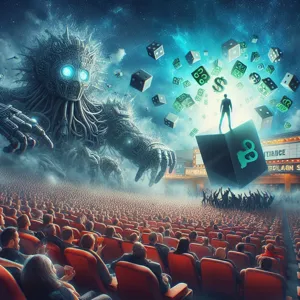
The decline of mid-budget films is a direct result of aggressive balance sheet prioritization. Data from recent fiscal cycles shows that the top 10 highest-grossing films now routinely capture nearly 50 percent of domestic box office revenue. For an independent film produced on a budget under 10 million dollars, this concentration creates an insurmountable barrier to reaching profitability.
Think of your local multiplex as a high-end grocery store. When one massive corporate brand pays for 90 percent of the prime eye-level shelf space, the smaller, more artisanal products become effectively invisible. Several tactical barriers reinforce this physical limitation:
- Screen Saturation: Distribution agreements often force theaters to dedicate 80 percent of their screens to a single franchise title, relegating independent projects to graveyard shifts or non-prime locations.
- Marketing Asymmetry: Major studios deploy average global marketing budgets exceeding 150 million dollars. An independent film simply cannot compete for audience awareness against a launch budget larger than the annual revenue of most small businesses.
- Formulaic Risk Aversion: When a production budget clears 200 million dollars, studios force directors to adhere to rigid, focus-group-tested scripts. This creates a loop of endless sequels, draining the industry of the creative risk-taking that historically defined cinema.
Independent Cinema as the Industry’s R&D Lab
Independent film functions as the Research and Development department for major studio tentpoles. Almost every major visual innovation—from non-linear editing styles to experimental lighting techniques—originated in low-budget, independent creative environments. When you starve the indie sector, you destroy the source code for the next decade of commercial filmmaking.

Consider an athlete who lifts heavy weights but refuses to stretch. Eventually, the lack of flexibility leads to a total physical breakdown. Studios are currently suffering from this exact lack of agility, recycling narrative tropes until they reach a point of total franchise fatigue. Audience data clearly indicates viewer burnout, yet the current financial model lacks the flexibility to pivot toward new, original content.
The Streaming Paradox and Cultural Weight
Many analysts argue that streaming platforms have democratized distribution. While services like MUBI or curated digital libraries provide access, they frequently strip the cultural weight from the work. When a complex, character-driven drama appears in an algorithmic feed sandwiched between a mindless reality show and a corporate product, it loses its status as a communal event.
Field Experience: I have observed many independent producers struggle with the day-and-date release model. When a film hits a streaming service on the same day it hits theaters, cinemas lose the incentive to market it effectively. The film often vanishes into the digital void, failing to generate the word-of-mouth momentum required for long-term cultural impact and financial viability.
Actionable Strategies for the Conscious Viewer

You possess more power than you realize. Box office numbers remain the primary language for studio executives when they decide what to greenlight next. If you want a future defined by diverse, challenging stories, you must change your consumption habits immediately.
- The Opening Weekend Rule: If an independent film reaches a theater, buy your ticket for the opening weekend. These figures dictate whether the film stays on the screen or gets pulled by the following Monday.
- Prioritize Independent Venues: Choose your local arthouse cinema. These businesses prioritize human curation and local community engagement over corporate release mandates.
- Leverage Organic Influence: Marketing budgets are massive, but your personal recommendation remains free. Use your social channels to highlight films that lack expensive advertising campaigns to create genuine, human-to-human hype.
Avoiding the Homogenization Trap
A classic error is assuming that a massive budget equates to superior quality. The current industry trend favors narrative homogenization, where stories are polished down to be palatable for every global market simultaneously. This process systematically removes the cultural nuance, sharp edges, and specific local flavors that make films truly memorable.
The future of cinema depends on your willingness to seek out uncomfortable, challenging, and original work. Blockbusters serve a purpose as entertainment spectacles, but they should never represent your entire cultural diet. Demand variety, support independent creators, and ensure the cinematic landscape remains a space for discovery rather than a repetitive echo chamber of the last decade.
Content updated on 2026-10-10