How to Create a Stylish and Functional Mudroom
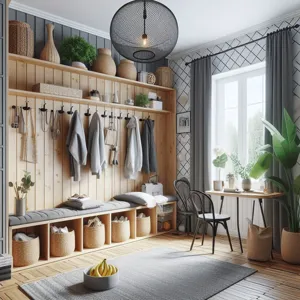
Think of your mudroom as a tactical airlock. It is the primary defense mechanism against dirt, clutter, and household chaos. A successful mudroom design prioritizes your family’s actual movement patterns over aesthetic trends. If your floor is constantly covered in abandoned gear, your current layout is failing to support your daily habits.
Mapping Your Daily Workflow
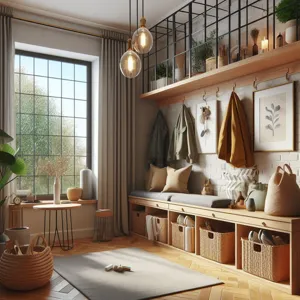
Before buying furniture, spend three days observing how you enter your home. Where do your keys land? Do you kick your shoes off immediately or carry them further into the house? Map your path from the door to the interior threshold. Your mudroom storage must sit directly along this path. If the storage is even two steps out of your way, it will not be used. Design around these physical instincts rather than forcing your habits to change for the sake of interior decor.
The Anatomy of an Efficient Landing Zone
Your mudroom needs to function like a professional locker room. Every square inch must serve a purpose. Here are the non-negotiable elements for a high-performance space:
- The Primary Seating Bench: Install a sturdy bench that sits at a standard chair height. This allows you to sit down to remove heavy boots or lace up sneakers. Ensure the space underneath is open; drawers here are just obstacles that prevent you from sliding shoes away quickly.
- Tiered Hook Systems: Install hooks at varying heights. Use high hooks for heavy winter coats and lower hooks for backpacks or kids’ gear. By staggering these, you prevent the pile-up effect where coats slide off each other and land on the floor.
- The Vertical Strategy: If your floor space is limited, go upward. Use cabinetry that extends to the ceiling. Reserve the top-most shelves for out-of-season items like heavy parkas or beach towels. This keeps the mid-section clear for daily use items, preventing visual overwhelm.
- Information Command Center: Mount a magnetic board or a small shelf for outgoing mail and keys. This acts as a physical filter. It stops clutter from migrating to your kitchen counters or dining tables.
Flooring and Surfaces: Materials That Withstand Daily Abuse

Your floor is the front line in the battle against debris. Avoid materials that require careful maintenance or constant polishing. You need a floor that performs like a sidewalk but looks like a finished home interior.
- Luxury Vinyl Planks (LVP): This is the industry standard for durability. It mimics natural wood, is entirely waterproof, and handles wet boots without warping. It is essentially bulletproof for high-traffic zones.
- Porcelain Tile with Grit: Choose a matte finish with a high slip-resistance rating. Unlike natural stone, porcelain does not absorb moisture, making it immune to salt stains and water damage.
- High-Gloss Wall Finishes: Use beadboard or shiplap treated with semi-gloss paint. When wet umbrellas or muddy bags brush against the walls, you can simply wipe them down. Flat paint is a liability here because it absorbs dirt and requires repainting far too often.
Field Insights: Avoiding Common Design Bottlenecks
Even the most expensive custom mudroom will fail if it ignores basic ergonomics. Here is what I see go wrong on site visits, along with solutions to fix them.
- The Door Swing Interference: Never install cabinetry that restricts your entrance door from opening fully. Even a three-inch overlap creates a frustrating bottleneck. Measure your door’s swing radius twice before finalizing any floor-mounted storage.
- Task-Oriented Lighting: Avoid warm, dim ambient lighting. You need high-lumen, neutral-temperature LEDs. Install under-cabinet lighting or strip LEDs inside lockers. You should never be rummaging for a matching boot in the dark.
- The Ventilation Gap: Enclosed lockers are great for hiding mess, but they trap moisture. If you use doors, install louvers or small vents to encourage airflow. Without this, your mudroom will develop a musty odor that will eventually spread throughout your hallway.
- The Threshold Rug Strategy: Place a heavy-duty, machine-washable rug at the immediate threshold. This is your first line of defense. By catching the initial layer of grit right at the door, you save your primary flooring from abrasion.
Optimizing for Small Footprints
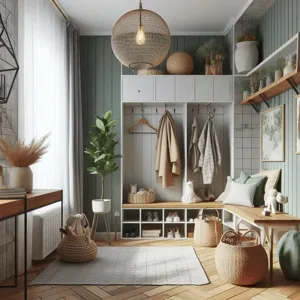
If you don’t have a dedicated room, create a mudroom zone using a single wall near the door. The trick is to lift everything off the floor. Use wall-mounted benches and floating shelves. When the floor is completely visible, the brain perceives the space as larger. Add a large mirror to the wall to bounce light around. This simple addition removes the claustrophobic feeling that often comes with concentrated storage walls.
The Quarterly Maintenance Ritual
A mudroom is a dynamic system, not a static piece of furniture. It will inevitably drift toward clutter. Commit to a seasonal reset every three months. Move out-of-season items to storage bins in your attic or garage. If a specific hook or shelf remains empty for 30 days, re-task it for something else. If you use the mudroom as a dumping ground for gear you don’t actually use, you have created an expensive storage unit for items that provide zero value to your daily life.
Content updated on 2026-10-14