Why the three-month rule is a scientific necessity
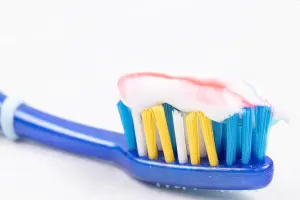
Most dental professionals recommend replacing your toothbrush every three to four months. This is not a marketing ploy to sell more plastic; it is a clinical necessity based on mechanical efficiency and microbial buildup. Think of your toothbrush bristles like the tread on your car tires. As the rubber wears down, the tire loses its ability to grip the road effectively. When bristles fray, they lose their ability to reach into the crevices between teeth and along the gum line.
When you use a worn-out brush, you are essentially rubbing debris across your enamel rather than lifting it away. Clinical studies consistently show that frayed bristles remove significantly less plaque than new ones. If your brush looks like a wire brush after only a few weeks, you are likely applying too much pressure. This is a common habit that risks damaging your gum tissue and eroding your tooth enamel.
The microscopic reality of your toothbrush
Your bathroom is a high-traffic zone for bacteria. When you brush, you transfer oral microorganisms onto your brush head. Even after rinsing, your brush remains a moist environment, which is the ideal breeding ground for bacteria, yeast, and fungi.
Consider your toothbrush storage like a petri dish. If you store your brush in a closed container, you trap humidity, preventing the bristles from drying out. This encourages the growth of biofilm on the handle and the brush head. Research suggests that keeping your toothbrush in an open, airy environment is more hygienic than using a travel cover or a drawer.
Practical signs it is time for an immediate replacement
Do not wait for the calendar to hit the three-month mark if your brush shows signs of premature failure. You should swap your brush immediately if you notice these indicators:
- Visible fraying: If the bristles are splaying outward, they have lost their structural integrity.
- Post-illness cycles: If you have recently recovered from a cold, flu, or oral infection, your old brush likely harbors pathogens that could trigger a reinfection.
- Hardened bristles: If the bristles have become stiff or show mineral deposits from your tap water, they will likely irritate your sensitive gum tissue.
- Discoloration: Any dark or fuzzy spots on the bristles or the base indicate mold growth, which requires an immediate discard.
Field-tested maintenance habits
To maximize the lifespan of your brush and ensure hygiene between replacements, follow these pragmatic steps. First, always rinse your brush thoroughly under high-pressure water after every single use. This physically dislodges the food particles and plaque trapped between the bristles.
Store your brush in an upright position. If you lay it flat on a counter, you encourage moisture retention on the brush head. If you share a bathroom with others, ensure your toothbrush is at least a few inches away from theirs. This prevents cross-contamination, which acts like a handshake between your respective oral microbiomes.
Selecting the right tool for your anatomy
Beyond the replacement schedule, the type of brush you choose dictates your long-term dental health. The industry standard remains soft-bristled brushes for the vast majority of adults. Using a medium or hard brush is akin to using sandpaper on your skin. It might feel like it is cleaning more, but you are actually causing micro-abrasions on your teeth and recession of the gum line.
If you have sensitive teeth, look for brushes specifically labeled as extra-soft. These brushes utilize finer filaments that provide a gentle yet effective cleaning action. If you use an electric toothbrush, the same three-month rule applies. However, watch for the specific indicator bristles on the brush head; many modern electric models feature blue or green filaments that fade to white as they wear down. When you see that color change, it is time for a refill, regardless of how many weeks have passed.
Common errors to avoid
One of the most frequent mistakes is the attempt to disinfect your brush in the dishwasher or microwave. This heat can warp the plastic or damage the delicate bristles, rendering the tool useless. If you feel the need to sanitize, a simple rinse with mouthwash or a dedicated ultraviolet sanitizer case is sufficient. Do not overcomplicate your routine; consistency in brushing twice daily for two minutes is significantly more important than trying to keep your brush surgically sterile.
Content updated on 2026-10-17