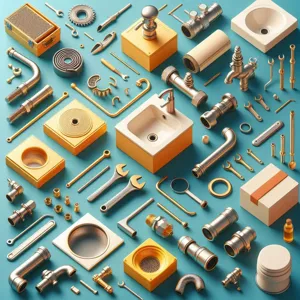
Understanding Plumbing Fixtures: A Practical Guide
Credit : whatcanu.com
Plumbing fixtures are the essential components that bridge your home’s water supply with your daily routine. While they are often viewed purely through a design lens, these units are mechanical tools that require careful selection to ensure efficiency and longevity. Whether you are remodeling a kitchen or updating a bathroom, choosing the right fixture involves balancing material durability, ease of maintenance, and water usage.
The Core Types of Plumbing Fixtures
Understanding the specific function of each fixture helps you prioritize your renovation budget effectively.
Faucets
Credit : whatcanu.com
Faucets are the most frequently used mechanical components in your home. They function via internal valves—like cartridges, balls, or discs—that control the flow rate. For high-traffic areas, look for ceramic disc valves; they are the gold standard for durability because they resist mineral buildup and friction. Avoid generic plastic-internal faucets if you want to avoid frequent repairs.
Sinks
A sink is not just a basin; it is a workstation. In kitchens, undermount sinks offer a clean, seamless look but require stone countertops for proper installation. In bathrooms, vessel sinks provide a dramatic aesthetic but can be difficult to clean due to the exterior surface exposure. Always match your sink material to your maintenance habits: stainless steel handles heavy kitchen abuse, while vitreous china is perfect for low-impact bathroom use.
Toilets
The efficiency of a toilet is measured by its flushing mechanism and trapway diameter. A wider trapway is less likely to clog. For modern homes, consider dual-flush systems that allow you to choose a lower volume for liquid waste, which can reduce your total water consumption by up to 30% annually.
Showers and Bathtubs
Credit : whatcanu.com
Your choice here defines the utility of the bathroom. Walk-in showers are increasingly preferred for aging-in-place and accessibility, while freestanding soaking tubs serve as design focal points. If you choose a shower-tub combo, ensure the diverter valve—the mechanism that switches water between the tub spout and showerhead—is high quality, as this is the most common point of mechanical failure.
Strategic Selection Tips
Choosing a fixture based solely on appearance is a classic rookie mistake. Follow these professional guidelines to ensure long-term satisfaction.
Check the Rough-In: Before buying a toilet or faucet, measure the distance from the wall to the drainpipe (the rough-in). Standard is 12 inches, but older homes often vary.
Material Matters: Solid brass is the most durable material for faucet bodies. Avoid “zinc-alloy” or plastic housings if you live in an area with high water pressure, as these materials fatigue and crack under stress.
WaterSense Labels: Always look for the EPA WaterSense label. This certification guarantees the product meets high-performance standards while being water-efficient.
Finish Durability: PVD (Physical Vapor Deposition) finishes are significantly more resistant to scratching and tarnishing than traditional electroplated finishes.
Professional Return on Experience: Avoiding Common Pitfalls
Credit : whatcanu.com
After years of field observations, I have seen the same mistakes repeated. First, never install a faucet without shut-off valves directly beneath the sink. If a leak occurs, you need to isolate that specific fixture without turning off the water to the entire house. Second, do not ignore the water hardness in your area. If you have hard water, avoid matte black or oil-rubbed bronze finishes, as calcium deposits (limescale) will show immediately and are difficult to remove without damaging the finish.
The DIY vs. Pro Decision
Simple fixture replacements, like changing a bathroom faucet, are excellent entry-level DIY projects. However, anything requiring behind-the-wall work—such as moving supply lines for a new shower layout—should be handled by a licensed professional. Improper soldering or pipe routing can cause slow-drip leaks that remain hidden for months, leading to expensive structural rot behind your drywall.
Maintenance Best Practices
To extend the life of your fixtures, adopt a bi-annual maintenance checklist. Clean aerators on faucets by soaking them in white vinegar to dissolve mineral deposits, which will immediately restore water pressure. Inspect the flappers inside your toilets; if they appear warped or brittle, replace them immediately to prevent silent leaks that drain your water bill. By treating your fixtures as mechanical systems that require periodic attention rather than static decorative objects, you ensure they remain both beautiful and functional for years.