Mastering Litter Box Hygiene: A Professional Approach

Managing your cat’s litter box is often treated as a mindless chore, but it is actually the most critical factor in feline behavioral health. Think of the litter box like an office breakroom. If the coffee machine is broken and the floor is sticky, you will stop going there. If you don’t keep the box pristine, your cat will find another location to eliminate, and that location will likely be your favorite rug.
The Math Behind the Equipment

Most owners buy boxes that are far too small. A cat needs space to perform their natural instinct: digging, turning, and covering. If the box is cramped, your cat is forced to step in their own mess, which leads to litter tracking throughout your home.
- The 1.5x Rule: Measure your cat from nose to base of tail. The box must be at least 1.5 times that length. If your cat is 15 inches long, the floor of the box should be at least 22 inches.
- Depth Matters: High walls prevent scatter, but they also keep odors trapped. If your cat hesitates to enter, the ammonia concentration inside the box might be burning their sensitive nose.
- Location Strategy: Place the box in a low-traffic area with a clear line of sight. A cat wants to see the room while they are vulnerable. Never place it next to a humming dryer or a loud furnace.
Optimizing Your Cleaning Workflow
You need a system, not a sporadic habit. Using the right tools changes the process from a burden into a two-minute task.
- The Scoop Quality: Invest in a heavy-duty, metal-slotted scoop. Plastic scoops bend and fail to lift heavy clumps, causing them to break apart and leave foul-smelling fragments behind.
- The Daily Grind: Scoop twice per day—once in the morning and once in the evening. If you scoop only once, the waste sits for 24 hours, turning the box into a petri dish of bacteria.
- Depth Maintenance: Keep the litter depth at exactly 3 inches. If the litter is too shallow, the waste hits the plastic bottom and sticks like cement. If it is too deep, your cat will sink and struggle to cover their waste effectively.
Professional Cleaning Protocols

Weekly maintenance is where most owners make mistakes that lead to permanent odor issues. Harsh chemicals like bleach can irritate your cat’s paws or cause respiratory distress.
- Use Enzyme Cleaners: Simple soap cleans dirt, but it doesn’t break down the biological proteins in urine. Use a veterinary-grade enzymatic cleaner to dissolve the odor at a molecular level.
- The Vinegar Hack: For a budget-friendly option, use a 50/50 mix of white vinegar and water. It neutralizes the alkaline nature of cat urine effectively.
- Box Replacement: Plastic is porous. Over time, your cat’s claws create micro-scratches in the base of the box. These scratches trap bacteria and urine particles that no amount of scrubbing can remove. Replace the actual plastic box every 12 to 18 months.
Field Experience: Avoiding Common Pitfalls
I have visited many homes where owners were baffled by inappropriate elimination. In 90% of those cases, the issue wasn’t the cat, but the human’s cleaning technique. Here are the errors you must avoid to keep your cat using their designated spot:
- The Ammonia Trap: Never use cleaning products containing ammonia. Since urine contains ammonia, your cat will interpret the clean box as a territory already marked by another animal, leading to frustration and marking behavior.
- Scented Litter Fallacy: Cats possess a sense of smell 14 times stronger than humans. A box that smells like ‘Mountain Breeze’ to you is an assault on your cat’s senses. Stick to unscented, high-quality clay or natural clumping pellets.
- Territory Stacking: If you have multiple cats, do not line their boxes up in a row. Treat them as separate stations. If you have two cats, place one box in the bathroom and one in the laundry room to avoid ‘ambush’ behavior where a dominant cat blocks access to the others.
Troubleshooting Persistent Issues
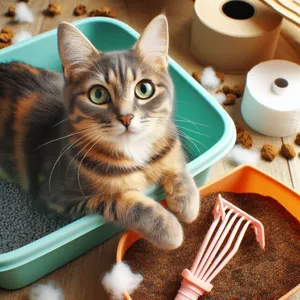
If you see your cat perching on the edge of the box with their feet outside, they are signaling that the environment is repulsive. They are trying to avoid touching the surface. If you see this, perform a ‘hard reset’: deep clean the box, replace all the litter, and add a fresh layer of baking soda to the base. This neutralizes residual smells that your nose can’t detect, but your cat can smell perfectly.
Ultimately, a clean box is the silent guardian of your cat’s health. By maintaining a strict protocol and ignoring the marketing traps of scented litters, you ensure that your home remains a shared, stress-free space for both you and your feline companion.
Content updated on 2026-10-14