What are the most controversial books that sparked debate and discussion?
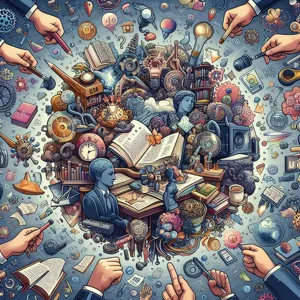
Books often serve as high-pressure valves for societal anxiety. When a text triggers a widespread outcry, it functions like a structural stress test on a building. You only notice the tension in the walls once the foundation begins to shift under the weight of uncomfortable ideas. Analyzing these works is not a passive activity; it is a tactical exercise in critical thinking that reveals how institutions react to dissent.
To understand these books, you must look past the headlines and examine the mechanics behind the friction. Why do specific narratives cause such extreme reactions? Whether it involves censorship, geopolitical conflict, or cultural shifts, these books force you to confront the limits of your own ideological boundaries.
The anatomy of a literary controversy
Controversies erupt when a narrative directly threatens the security of a dominant social group. Think of this process like an immune system response: the narrative is the foreign object, and the public outcry is the body attempting to neutralize a perceived threat. You can break down these catalysts into four distinct categories:
- Systemic threat: Works that expose institutional corruption are labeled as dangerous by those in power to protect their influence.
- Taboo violation: Narratives that portray behaviors contrary to religious or moral codes trigger an immediate emotional defense mechanism.
- Hierarchy subversion: Any text that questions the necessity of traditional power structures is treated as a danger to social stability.
- Youth protectionism: The most frequent justification for banning books is the moral imperative to protect children from complex realities.
The strategic utility of censorship
Do not mistake censorship for a historical relic. It remains an active social and economic lever used to influence public thought. In 2023, the American Library Association tracked over 1,200 unique book challenges. This is not just about individual parental concerns; it is about organized, large-scale efforts to curate the intellectual diet of the public.
Removing a title from a curriculum creates a cooling effect on educators, often called self-censorship. When teachers fear for their careers, they strip lessons of nuance and complexity. This results in a narrowed intellectual horizon for students, effectively protecting them from diverse viewpoints at an age where they are just beginning to form their own worldviews.
Case studies: Books that shattered the status quo
These books did more than face bans; they fundamentally altered the landscape of their respective eras. They serve as primary data points for why specific stories are perceived as existential threats.
The Catcher in the Rye by J.D. Salinger
Holden Caulfield remains the archetype of the alienated youth who identifies the phoniness of the adult world. Parents historically feared this book because it validated a rejection of post-war social scripts. It is a classic example of institutional panic: if you cannot control how the youth perceive your authority, you view that medium as a direct threat.
1984 by George Orwell
Orwell mastered the concept of how language shapes thought. His invention of Newspeak is a perfect analogy for modern algorithmic content consumption. If you are fed a limited vocabulary to describe your reality, your capacity to dissent is surgically removed. The book remains controversial because it highlights how surveillance tactics transition effortlessly from fiction into the digital age.
The Satanic Verses by Salman Rushdie
This work is the definitive example of the clash between absolute freedom of expression and deeply held religious dogma. It proved that a single narrative could transcend borders and spark real-world geopolitical tension. The fallout permanently shifted the security landscape for global authors, turning literary critique into a high-stakes scenario.
Gender Queer by Maia Kobabe
This graphic memoir represents a contemporary front line in the culture war. The controversy sits at the intersection of visual media, evolving definitions of gender, and the role of public education. Visual storytelling often triggers more intense reactions than text because it leaves less room for ambiguous interpretation, forcing a binary stance from the reader.
How to process challenging literature
If you encounter a book that feels threatening to your worldview, do not demand its removal. Use these tactics to turn the discomfort into a lesson:
- Decouple author from character: A book depicting a hateful character is an autopsy of human behavior, not an endorsement of that behavior by the author.
- Pinpoint the trigger: When a passage makes you angry, identify exactly which of your core beliefs is being challenged. That friction is where actual growth happens.
- Map the context: Treat older controversial books as time capsules. They reflect the specific, irrational anxieties of their era. Today’s radical ideas are often tomorrow’s mundane standards.
- Host a mental debate: Treat the book as an opponent. Attempt to steel-man the author’s argument before you attempt to debunk it.
Common pitfalls and field lessons
The moral purity trap: Many readers make the mistake of judging a book by the moral goodness of its characters. This is a dead end. A flawed or villainous protagonist provides more utility in understanding human complexity than a perfect hero ever could. Avoid this bias at all costs.
The fallacy of avoidance: Assuming that silencing a book makes the ideas inside it disappear is a failure of logic. Ideas persist, often gaining more influence when they become forbidden fruit. If you want to neutralize a harmful idea, you must engage with it, dissect it, and dismantle it in the light of day.
Return on experience: Do not read with the intent to confirm your existing biases. This is the most common error in intellectual development. If you read only to agree, you are simply reinforcing your comfort zone. Seek out the books that disrupt your equilibrium and force you to account for perspectives that exist outside of your current reality.
Content updated on 2026-10-03