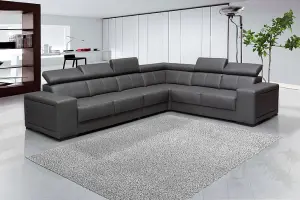
Naming a style is useful mainly for one thing: it helps you understand why you like certain rooms and buy pieces that go together. Very few real homes follow one style strictly. Most mix two or three.
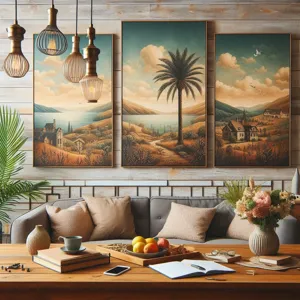
The best-known styles
Mid-century modern Inspired by design from roughly the 1940s to 1960s: clean lines, tapered wooden legs, organic curves, teak and walnut, and pops of mustard, orange or teal. Iconic pieces include the Eames lounge chair and the Saarinen tulip table.
Scandinavian Light, simple and practical: white or pale walls, light woods, wool and linen, minimal ornament, and a focus on coziness (the Danish idea of hygge).
Industrial Inspired by old factories and lofts: exposed brick, metal, concrete, reclaimed wood, Edison bulbs and dark tones.
Farmhouse and modern farmhouse Rustic wood, shiplap, apron-front sinks, vintage pieces and neutral colors. The modern version is cleaner, with black metal accents.
Traditional Inspired by 18th and 19th-century European decor: symmetry, rich woods, detailed moldings, classic patterns and furniture with curves.
Bohemian Relaxed and layered: many patterns, colors and textures, plants, global textiles and collected, vintage objects.
Minimalist Few objects, neutral colors, simple forms and hidden storage. The focus is on space and light.
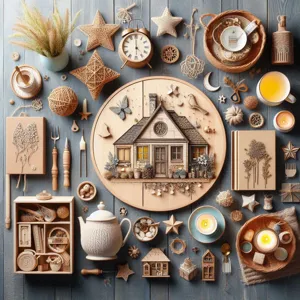
Coastal Light and breezy: white, sand and blue tones, natural fibers like rattan and jute, and weathered wood.
Japandi A blend of Japanese and Scandinavian design: minimal, calm, natural materials, low furniture, muted earthy colors and careful craftsmanship.
Transitional A balance between traditional and contemporary: classic shapes with simpler lines and a neutral palette. It is one of the most common styles in American homes because it is easy to live with.
What about trends?
Each year brings new “it” colors and materials. Trends are useful for inspiration, but they date quickly. A good rule is to keep big, expensive or fixed elements (floors, kitchens, sofas) timeless, and to bring trends in through things that are easy and cheap to change: cushions, paint, accessories, lighting. Natural materials, warm neutrals and a lived-in, personal look have proven more durable than most passing trends.
Finding your style
Collect images of rooms you like (from magazines, social media or real homes) and look for what they have in common: colors, materials, shapes. You will often find you lean toward one or two styles. Then build around them, adding personal objects that make the space yours, as described in the best ways to add character to your home. When buying furniture, see how to choose living room furniture.