Decoding High-Performance Cars: Precision vs. Marketing
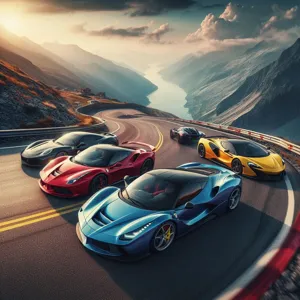
Many drivers confuse raw speed with true performance. A car capable of high-speed straight-line acceleration is not necessarily a master of handling. True performance is defined by the connection between the machine and the road, measured by steering precision, chassis balance, and braking endurance. If you are looking for vehicles that actually deliver on the track and on technical roads, you need to look past the marketing brochures.
The Anatomy of Superior Handling
Handling is the art of translating driver input into predictable physical response. Think of it like a conversation between you and the tires. If the suspension is too stiff, you skip over imperfections; if it is too soft, you lose stability. The best cars manage this through specific engineering feats:
- Weight Distribution: Aim for a near 50/50 balance. When the engine is centered or positioned low, the car rotates around its middle rather than dragging its nose.
- Unsprung Weight: This is the weight of components not supported by the suspension, like wheels and brakes. Reducing this weight allows the wheels to react faster to bumps, keeping them glued to the asphalt.
- Steering Rack Ratio: A direct ratio means less hand movement for a sharper turn. It creates a sensation of the car being an extension of your body.
Comparing Performance Models: The Real-World Reality

When you compare modern performance cars, look for mechanical integrity over digital gimmicks. Many manufacturers now use synthetic steering weights—artificial resistance added to the steering wheel. While this can feel ‘heavy,’ it often masks what the front tires are actually doing. A true performance vehicle provides tactile feedback, vibrating through the wheel as you approach the limit of grip.
The Porsche 911 GT3: The Benchmark for Analog Feel
The 911 GT3 remains the gold standard because it avoids the traps of over-engineering. By keeping the engine naturally aspirated, Porsche ensures immediate throttle response without the delay found in many turbocharged systems. Its rear-axle steering is the best in the industry; it makes a long wheelbase feel as nimble as a go-kart during tight hairpins.
The Lotus Emira: Mastery of Light Weight
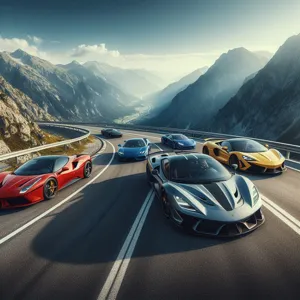
Lotus operates on a different philosophy: simplify and add lightness. By choosing to build a chassis that doesn’t rely solely on heavy batteries or complex electronic assists, the Emira provides a raw driving experience. It teaches you how to manage a car’s balance because it does not rely on software to correct your steering errors.
Common Pitfalls to Avoid When Buying
Do not be fooled by ‘Sport Modes’ in everyday luxury sedans. They often merely sharpen throttle response and add artificial stiffness, which makes the car feel jerky rather than fast. Here is what to watch out for:
- Over-Reliance on Driver Aids: If a car feels ‘too easy’ to drive quickly, it is likely the electronics doing the work, not the chassis. You will never learn to handle a car properly if the computer is constantly intervening.
- Brake Fade Ignorance: Many powerful cars have great initial stopping power but fail after three hard stops. Check for larger rotor surface areas and high-temperature brake fluid capability.
- Tire Selection: A $100,000 sports car on economy tires will handle worse than a $30,000 car on track-ready rubber. Always factor in the cost of high-performance tires when assessing a car’s potential.
Expert Perspective: Why Driver Engagement Matters
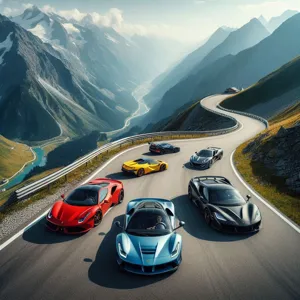
The most dangerous thing you can do is buy a car that is faster than your current skill set allows. If you are a novice, a car with a 600-horsepower output and aggressive rear-wheel-drive dynamics can be a liability. You are better off starting with a vehicle that has lower horsepower but a sophisticated chassis, such as a Mazda MX-5 or a Toyota GR86. These cars force you to carry momentum through corners, which is the foundational skill for all high-performance driving.
Final Verdict on Performance Investing
If you prioritize technical ability, stop looking at horsepower charts. Horsepower is what you brag about at the pub; handling is what keeps you engaged on a Sunday morning drive. Invest in cars that offer adjustable damping, limited-slip differentials, and, if possible, manual transmissions. These features ensure that you remain the pilot of the machine, rather than just a passenger waiting for the computer to decide where you should go next.
Contenu mis a jour le 2026-08-23