
Improving Soccer Refereeing: Moving Beyond Theory
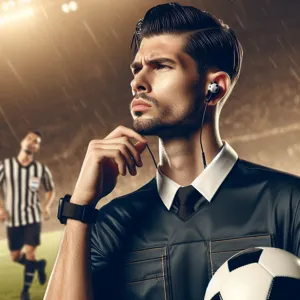
Refereeing in professional soccer is failing to keep pace with the game’s evolution. Players are faster, the game is more tactical, and fans have high-definition replays at their fingertips. To improve referee performance, we must stop treating officiating as an intuitive art and start treating it as a high-performance skill set backed by data.
Data-Driven Training and Physical Readiness
Referees cover an average of 10 to 12 kilometers per match, often sprinting at high intensity. When a referee is physically fatigued, their cognitive processing speed drops significantly. This is simple biology; your brain loses its ability to make rapid decisions when your heart rate is maxed out.
- HIIT Integration: Training must shift from standard endurance running to High-Intensity Interval Training. Referees should practice decision-making tasks immediately following high-intensity sprints. If you cannot make a correct call after an 80-meter sprint, you are not match-ready.
- Quantified Positioning: We have the technology to track referees via GPS. Leagues must analyze ‘proximity to play’ metrics. Data shows that officials who maintain a 15-meter distance from the ball demonstrate a 25% higher accuracy rate on foul calls. Position is the most critical technical variable.
- Simulated Cognitive Loads: Move away from classroom theory. Use Virtual Reality (VR) headsets to simulate 500+ penalty box scenarios per week. This builds pattern recognition, effectively automating the decision process so the official reacts before the foul even occurs.
The Reality of VAR and Technological Integration

VAR is often blamed for match stoppages, but the issue is protocol, not technology. The goal should be ‘minimum interference, maximum benefit.’ Current data suggests that VAR intervention delays average 80 seconds per check. Referees should implement the ‘Clear and Obvious’ rule with a strict 30-second cap on reviews.
We also need to standardize communication technology. Even at amateur levels, basic wireless headsets can change game management. It is like a pilot using a headset to speak with air traffic control; it clears the noise. By giving assistants the ability to speak clearly to the center referee, you eliminate the need for guessing.
Common Pitfalls in Official Development

Many organizations focus on punitive measures after a bad match. This is a mistake that creates a culture of fear. When referees fear punishment, they become indecisive. Instead, leagues should adopt a ‘blameless review’ model.
- The Feedback Trap: Avoid reviewing matches based on subjective opinion. Use objective footage review. Did the referee have the correct angle? Was the sightline obstructed? Focus on the process, not the outcome.
- Psychological Reset: Referees often carry a bad call through the remainder of the match. This is the ‘error spiral.’ Train officials in mindfulness techniques designed to compartmentalize. If you miss a penalty in the 10th minute, that call is gone. The 11th minute is a new game.
- Transparency with Clubs: Host quarterly workshops where referees meet with coaches. Explain the ‘why’ behind specific rule interpretations. When coaches understand the logic, sideline hostility drops. It turns opponents into collaborators in the game’s integrity.
Structured Mentorship: The Only Way to Retain Talent
The turnover rate for grassroots referees is approximately 25% annually. Most quit due to the lack of a support system. To fix this, you must pair every rookie with a veteran mentor for their first 20 matches. This is not about technical skill; it is about game management.
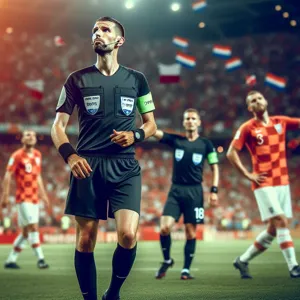
A mentor teaches the ‘human’ side of the job: how to de-escalate a player who is shouting or when to ignore a provocation. These are social skills, not rule-book skills. Without this mentorship, we lose the next generation of talent before they ever reach the professional level. Investing in people is just as critical as investing in camera systems.
Actionable Steps for Better Officiating
If you are involved in league management or referee training, focus on these three outcomes for the next season:
- Mandatory Video Analysis: Require every referee to review their own positioning on match clips.
- Standardized Fitness Testing: Implement a ‘Yo-Yo’ test that mimics the specific stop-and-start nature of modern soccer.
- Clear Communication Channels: Invest in reliable audio equipment for the entire officiating crew to improve coordination during high-pressure moments.
The standard of refereeing improves only when we treat the official as an athlete who requires the same level of professional support, physical training, and data analysis as the players on the pitch. It is time to stop criticizing the errors and start optimizing the process that produces them.
Content updated on 2026-09-21