Energy is a solid career field with a mix of stable utility jobs, booming renewable roles and well-paid but cyclical oil and gas work. Power demand is rising with data centers, electric vehicles and electrification, and the grid needs major upgrades. Whether it is a good path for you depends on which segment you choose and how you feel about shift work, outdoor conditions and travel.
Main segments
Utilities and the grid. Electric and gas utilities employ line workers, substation technicians, power plant operators, engineers and customer service staff. Jobs tend to be stable, often unionized, with good benefits.
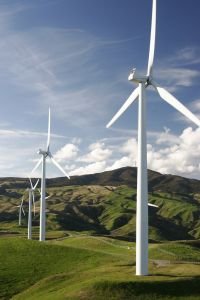
Solar and wind. Solar installers and wind turbine technicians have been among the fastest-growing occupations in the US. Wind techs work at height in all weather; solar work is physical and often seasonal.
Oil and gas. Drilling, production and refining jobs pay well, but employment rises and falls with prices, and sites are often remote.
Nuclear. Plants need operators, technicians and engineers with strict training and security clearances. Interest in new reactors and extending existing plants has improved the outlook.
Energy efficiency and buildings. Energy auditors, HVAC and heat pump technicians, and electricians installing EV chargers and batteries.
Grid technology and data. Engineers, analysts and cybersecurity specialists who manage a more digital, more distributed grid.
Training routes
- Apprenticeships for line workers, electricians and many plant roles, paid while you learn
- Community college programs in wind energy, solar, process technology or power plant technology
- Engineering degrees (electrical, mechanical, chemical) for design and planning roles
- Military experience, especially naval nuclear, which is highly valued by utilities
Things to consider
- Power plants run 24/7, so rotating shifts are common; see what a swing shift is.
- Line work after storms means long hours away from home.
- Safety culture is strict, and for good reason.
- Policy changes and energy prices affect hiring in some segments.
Skills that travel well
Electrical knowledge, mechanical aptitude, safety certifications and comfort with digital control systems are useful across all segments. Many of the same skills apply in heavy industry; see is industrial machinery a good career path.
Line installers, wind turbine technicians, solar installers and plant operators each have a profile with wages and projected growth on the BLS website.