What are the Different Types of Golf Carts?
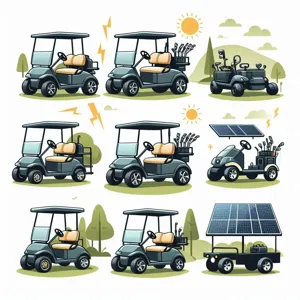
Choosing a golf cart is a tactical decision that impacts your energy levels and efficiency. You are not just buying a transport vehicle; you are investing in a tool that dictates how you navigate the course or your neighborhood. Understanding the mechanical differences is the difference between a smooth ride and a costly maintenance headache.
Electric Golf Carts: The Precision Choice
Electric carts function like a smartphone—efficient, quiet, and reliable if managed correctly. They use battery banks to power an electric motor, providing instant torque without the noise of an internal combustion engine. This makes them ideal for maintaining focus during a high-stakes round of golf.
- Maintenance Simplicity: You avoid the complexity of spark plugs, oil filters, and exhaust systems. Think of it like a bicycle versus a motorcycle; there are simply fewer moving parts to break.
- Energy Management: Most modern lead-acid battery sets handle 18 to 36 holes on a single charge. However, you must establish a strict charging routine.
- Performance Decay: Unlike gas, electric carts lose some pep as the voltage drops. If you ignore the charge level, you risk being stranded far from the clubhouse.
Real-World Feedback: The Charging Trap
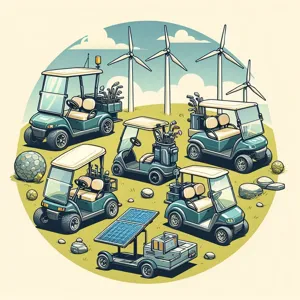
A common mistake is plugging the cart in only when the battery light flashes. This causes ‘memory effect’ in older lead-acid batteries, effectively shortening their lifespan. Treat your charging port like your phone charger—top it off after every use to keep the chemical reaction inside the batteries stable.
Gas-Powered Golf Carts: Raw Endurance
If your local course looks like a mountain range, you need a gas-powered cart. These work exactly like a small lawnmower or a motorcycle engine. They rely on a fuel tank, meaning they deliver constant, reliable power until the tank runs dry.
- Consistent Torque: Gas engines do not suffer from ‘voltage sag.’ Whether it is your first hole or your tenth round of the day, you have the same climbing power.
- Refueling Speed: You can refuel in three minutes at a station. You never have to wait hours for a battery to reach full capacity.
- Versatility: These models handle heavy loads better than most entry-level electric carts, making them superior for rugged property maintenance or towing small trailers.
Utility Carts: The Industrial Workhorse
Think of utility carts as the pickup trucks of the golf cart world. They feature reinforced frames and often include cargo beds capable of hauling everything from landscaping supplies to heavy event gear. If your primary goal involves more work than play, prioritize these models over standard passenger carts.
Field Tip: The Payload Limit
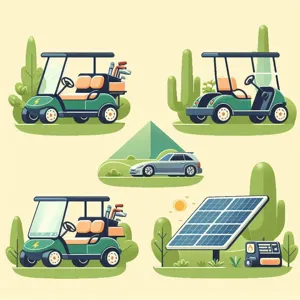
Never exceed the manufacturer’s weight limit, even if the bed looks spacious. I once saw a frame buckle because the owner filled the cargo bed with wet topsoil. Wet dirt weighs significantly more than dry dirt, and the added stress destroyed the rear axle assembly within two weeks.
Neighborhood Electric Vehicles (NEVs)
NEVs have migrated from the golf course to the street. These carts are specifically engineered to be street-legal, meaning they include headlights, blinkers, seatbelts, and a VIN plate. They are capped at lower speeds to comply with residential safety laws.
- Safety Compliance: Do not mistake a standard golf cart for an NEV. A standard cart lacks the necessary safety glass, horn, and reflective markers required by most local ordinances.
- Regulatory Warning: Always check your local DMV before driving on public roads. Even if a cart has seatbelts, some municipalities prohibit them on roads with speed limits exceeding 35 mph.
Maintenance Essentials for Longevity
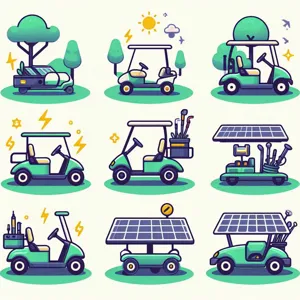
Your cart is a mechanical investment that rewards proactive care. Follow these steps to ensure you do not spend your weekends in a repair shop.
- Battery Water Levels: If your cart uses lead-acid batteries, check the water level monthly. Use only distilled water; tap water contains minerals that create a ‘crust’ on lead plates, killing battery capacity.
- Tire PSI Management: Golf courses are delicate ecosystems. Maintain tire pressure at 12–15 PSI. Over-inflated tires damage the turf, while under-inflated tires increase rolling resistance and kill your battery range.
- Brake Inspections: Most carts use mechanical drum brakes. If the brake pedal feels ‘mushy’ or soft, the shoes are worn down or the cables have stretched. Inspect them every six months to ensure you can stop safely on steep paths.
How to Choose Your Perfect Model
Before you commit to a purchase, define your primary environment. Ask yourself these three questions to avoid a bad investment:
- What is the primary terrain? If your course or property is hilly, a gas engine or a high-torque electric motor is mandatory for safety.
- Do you have power access? If you choose electric, you must have a dedicated, grounded outlet within reach of your parking spot.
- What is the frequency of use? If you only play once a month, gas carts can have fuel stabilizers issues if the gas sits too long. Electric models are better for intermittent use.
Select your cart based on your actual use-case rather than aesthetics. A functional, well-maintained cart keeps you energized for the entire 18 holes, whereas a poorly matched machine becomes a frustration by the back nine.
Content updated on 2026-08-27