When exactly should you wear a fall-arrest system?
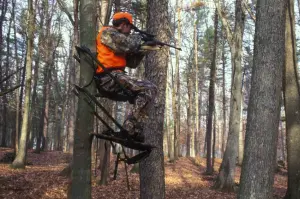
The short answer is simple: you wear a fall-arrest system (FAS) from the moment your feet leave the ground until you are safely back on terra firma. Many hunters mistakenly believe they only need a harness once they are seated in the stand. This is a dangerous oversight. Most accidents occur during the ascent or descent when you are transitioning between the climbing sticks and the platform.
Think of your fall-arrest system like a seatbelt in a car. You wouldn’t wait until you are already driving at high speeds to buckle up; you do it before you even turn the ignition. Treat your FAS with the same non-negotiable mindset every single time you head into the woods.
Understanding the certification standards
Do not simply purchase the cheapest harness available online. You need equipment certified by the Tree Stand Manufacturer’s Association (TMA). The TMA sets the industry benchmark for static and dynamic load testing. If a harness does not carry this certification, it has not undergone the rigorous testing required to guarantee it will hold your weight during a sudden drop.
When shopping, look for the following technical criteria:
- Weight Capacity: Ensure the system is rated for your total body weight, including your heavy cold-weather hunting gear and equipment.
- Impact Force Absorption: Modern harnesses include shock-absorbing lanyards. These are like crumple zones in a vehicle; they dissipate the energy of a fall so your body doesn’t absorb the full force of the stop.
- Full-Body Design: Avoid waist belts entirely. They offer zero protection against spinal injuries and can actually cause internal damage if you fall.
The anatomy of a proper connection
Your FAS is useless if you are not connected to the tree correctly. The industry standard is the lineman’s belt used in conjunction with a safety tether. A lineman’s belt allows you to wrap a strap around the tree while climbing. This keeps you securely tethered to the trunk at all times, even when you move your hands to adjust your climbing sticks.
Never use a makeshift rope or hardware-store chain. Use a dedicated life line—a vertical rope that runs from the base of the tree to your stand. You attach your harness to this line using a prusik knot or a mechanical carabiner system before you leave the ground. This creates a continuous connection that slides with you as you move.
Common technical errors to avoid
Even with high-end gear, human error remains the leading cause of injury. Pay attention to these common pitfalls observed on the field:
- Excessive Slack: Keep your tether as short as possible while still allowing movement. If you have three feet of slack, you are not just falling; you are gaining kinetic energy before the harness catches you.
- The Suspension Trauma Risk: If you fall, you must get back to the platform or onto the ground quickly. Hanging in a harness for more than a few minutes can restrict blood flow in your legs. Carry a suspension relief strap—a small loop you can stand in to take the pressure off your harness straps while you wait for help.
- Neglecting Inspection: UV rays degrade nylon straps over time. Before every season, inspect your harness for frayed stitching or sun-bleached webbing. If the material looks fuzzy or the color has faded significantly, replace it immediately.
Field advice for the practical hunter
Mobility is the most common excuse for avoiding a harness. However, modern harnesses are engineered with lightweight, breathable materials that mimic a vest rather than a bulky contraption. If you feel restricted, you are likely wearing it too loose. Your harness should be snug, similar to how a climbing harness fits, ensuring the load is distributed across your hips and shoulders rather than pulling on your torso.
Make the system a muscle-memory habit. Practice putting on your harness and connecting to a practice tree in your backyard before the season starts. If you have to think about how the buckles work in the dark at 5:00 AM, you are more likely to skip a step or perform it incorrectly. Reliability in the field starts with standardizing your routine at home.
Finally, remember that confidence is a liability. The most experienced hunters are often the ones who grow complacent. A tree stand accident does not distinguish between a novice and a veteran. Always assume that the tree, the stand, or the climbing hardware could fail, and rely on your FAS as your absolute last line of defense.
Content updated on 2026-10-19