What is a 90 degree screwdriver?
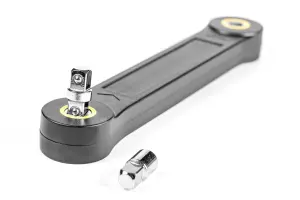
A 90-degree screwdriver, often referred to as an offset screwdriver, is a specialized hand tool designed for fastening in confined spaces. Imagine you are trying to tighten a screw behind a radiator or inside a narrow cabinet carcass. A standard straight-shaft screwdriver requires significant clearance behind the screw head to operate. A 90-degree screwdriver solves this by utilizing an L-shaped geometry, allowing the handle to remain perpendicular to the screw axis.
The mechanics of torque transfer
The primary benefit of this tool is its ability to bypass physical obstructions. Think of it like a car steering column; the force you apply at the handle is redirected through the bend to the tip. Because the handle is offset, you gain mechanical advantage by using the long arm of the ‘L’ as a lever. This gives you significant leverage compared to a short, stubby screwdriver.
Key features to look for in a professional-grade tool
When selecting a 90-degree screwdriver for your workshop, do not settle for cheap, stamped steel versions. Look for these specific features:
- Ratcheting mechanism: High-end models include a miniature gear system inside the head. This allows you to tighten or loosen the screw without lifting the bit from the slot, much like a standard socket wrench.
- Magnetic tips: When working in dark or cramped areas, losing a screw is a major setback. A strong neodymium magnet in the tip keeps the fastener secure during installation.
- Bit compatibility: Opt for models with an interchangeable bit adapter. This makes the tool universal, letting you switch between Phillips, Torx, and Hex drives instantly.
- Ergonomic handle coating: Since you often have to apply high torque in an awkward grip, a rubberized or textured handle is essential to prevent slipping.
Field experience: Common mistakes to avoid
After years of working on machinery and furniture assembly, I have seen many users damage their hardware. Follow these rules to avoid common pitfalls:
- The Cam-out Effect: Because the tool sits at an angle, it is easier for the bit to slip out of the screw head under pressure. This is called cam-out. Keep the tool perfectly seated and apply firm inward pressure against the screw head before turning.
- Over-torquing: It is deceptively easy to apply too much force with the leverage provided by the offset handle. If you are working on soft materials like particle board or plastic housings, go slow to avoid stripping the threads.
- Ignoring the clearance: Always check that the handle arm has a full 180-degree rotation path before you start. If you hit an obstacle halfway through the turn, your progress will be stalled.
When to choose a 90-degree screwdriver over a flexible shaft
You might wonder why you would use this instead of a flexible drill extension. A flexible shaft is often prone to whipping and losing torque during the transfer. The 90-degree screwdriver offers a solid, rigid steel connection. This makes it far more precise for delicate electronic components or tight furniture joints where you need tactile feedback. It is the difference between driving a screw with a solid rod and using a wet noodle.
Maintenance and longevity
Since these tools are often made of chrome-vanadium steel, they are durable but not immune to rust. Keep the pivot points lightly oiled if you have a ratcheting model. If the bit tip becomes rounded or chipped, replace the bit immediately. A worn bit will destroy the screw head, turning a simple task into a major repair project.
Pro tip for difficult access
If you are working in a space so tight that you cannot even get your fingers in to start the screw, use a small dab of grease or a tiny piece of double-sided tape on the screw head. This holds the screw to the bit as you maneuver it into the hole. It is a simple trick, but it saves immense frustration when dealing with overhead or deep-recessed fixings.
Content updated on 2026-10-17