Analyze your reading DNA to find your next great book

Finding a book you will actually finish requires moving beyond generic bestseller lists. Most readers fail because they shop by popularity rather than by their own psychological preferences. To solve this, you need to treat your reading history like a dataset.
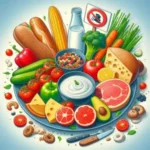
Think of your favorite books like a specific flavor profile in a meal. If you love a spicy dish, you do not just order more food; you look for specific ingredients like chili or garlic. In literature, those ingredients are your favorite authors and narrative structures.
The mechanics of your taste: Reverse-engineering your favorites

Stop looking for books that are trending and start looking for books that share the DNA of your top five reads. If you love an author, do not just search for their next release. Identify the specific mechanics that make their work click for you.
- Prose style: Do you prefer sparse, punchy sentences or lush, descriptive world-building?
- Pacing: Do you need a narrative hook in the first three pages, or do you enjoy a slow-burn character study?
- Emotional output: Are you reading for catharsis, intellectual stimulation, or pure escapism?
Use platforms like StoryGraph instead of standard retailers. Unlike mass-market sites, StoryGraph uses crowd-sourced data to provide mood and pace tags. Use these tags as your primary filters rather than broad, unhelpful categories like Fiction or Thriller.
Use influencer mapping to expand your horizon
Most recommendation engines rely on broad similarities that miss the mark. A better approach is the author-to-author mapping strategy. Many writers curate reading lists in interviews or on their personal websites. These lists represent the actual source material for the style you already enjoy.
Check your favorite author’s Wikipedia page or recent interviews for an Influences section. If an author you admire cites a specific mentor or peer, that book is a high-probability match for your next read. Treat these connections as a map of the literary ecosystem you naturally inhabit.
Refine your search with specific keyword strings
Broad genre tags are often useless because they cover too much ground. A tag like Mystery includes everything from lighthearted cozy puzzles to dark, gritty psychological trauma. You must combine tags to get precise results in library catalogs or databases.
Instead of searching for Sci-Fi, search for Cyberpunk and Found Family. Combining a setting tag with a specific character-dynamic tag narrows your search to books you will actually enjoy. This is like searching for a specific car part by serial number instead of just searching for the brand.
Practical tips for discovery
Avoid the common traps that lead to wasted time and unread books on your shelf:
- The Hype Trap: Never read a book solely because it is viral on social media. Algorithms prioritize visual appeal over literary substance.
- The Completionist Fallacy: If you are not enjoying a book by page 50, put it down. Treating books as chores is the fastest way to kill your passion for reading.
- The First Chapter Test: Use the preview feature on digital stores. If the tone, vocabulary, and rhythm of the first chapter do not grab you immediately, the rest of the book will not either.
- Librarian Consultation: Librarians are trained information professionals with access to professional readers’ advisory tools. Tell them specific elements you liked, such as the political intrigue of a series, and they can find high-accuracy matches that algorithms miss.
Build a personal discovery journal
Your memory is unreliable. If you do not track what you enjoy, you will eventually drift back to safe, repetitive choices. Use a simple notebook or a note-taking app to log your findings in a structured format.
- The Book: Record the title and author.
- The Why: Write one specific sentence on why it worked (e.g., The unreliable narrator kept me guessing).
- The Next Step: Note one book you want to try next based on this experience.
By documenting your preferences, you create a personal recommendation engine that becomes more accurate with every book you finish. You are no longer guessing; you are curating your own literary path based on verified data from your own past experiences.
Content updated on 2026-10-03