A bathroom is small but complicated: plumbing, electricity, ventilation and waterproofing all meet in a few square feet. Most remodels that go wrong do so because of decisions made (or skipped) before the work starts.
1. Decide what kind of remodel it is
A cosmetic update (paint, mirror, lighting, vanity, faucet) keeps the plumbing where it is and is often a DIY project. A full remodel replaces the tub or shower, tile and fixtures, and may move pipes. Moving the toilet or shower drain is where costs climb fastest.
2. Set a budget with a margin
List the work, get quotes, and keep 10 to 20 percent aside for surprises. Opening walls in older homes often reveals rot, old wiring or leaks.
3. Plan the layout
Measure carefully and draw the room to scale. Leave clear space in front of the toilet and vanity, check which way doors swing, and think about storage early. If someone in the household has limited mobility, consider a curbless shower, grab bar blocking in the walls and a comfort-height toilet now rather than later.

4. Permits and professionals
Plumbing and electrical changes often require a permit. Licensed trades are worth it for those parts, even if you do the demolition, painting and finishing yourself.
5. Ventilation and waterproofing
These are invisible once the job is done, and they are what makes a bathroom last. A properly sized exhaust fan, vented outdoors (not into the attic), removes humidity that otherwise leads to mold; the EPA’s guide to mold and moisture explains why. In showers, use a waterproofing membrane behind the tile, not just tile on drywall.
6. Choose fixtures and finishes
Pick the shower or tub, toilet, vanity and faucets before the work starts, so the plumber knows exact rough-in dimensions. Water-saving WaterSense fixtures cut water bills. Porcelain tile is durable and easy to clean; textured tile is safer underfoot.
7. Make it a room you want to spend time in
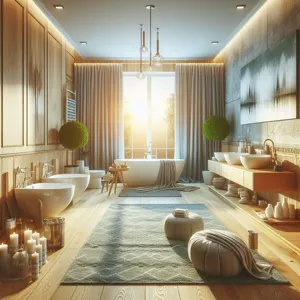
A relaxing bathroom is mostly about light, warmth and calm:
- Layered lighting: bright light at the mirror, dimmable ambient light for evenings.
- Soft, consistent colors and natural materials such as wood or stone accents.
- Heated floors or a towel warmer if the budget allows.
- Clutter hidden in closed storage, as described in the best ways to organize your bathroom.
- A good shower head, compared in how to choose and install a shower head.
8. Order of work
Demolition, rough plumbing and electrical, inspection, waterproofing, tile, then fixtures, paint and accessories. Changing your mind after tiling is expensive, so finalize choices early. Shower enclosures are covered in the different types of shower doors.