
Identify the Root Cause Before You Act
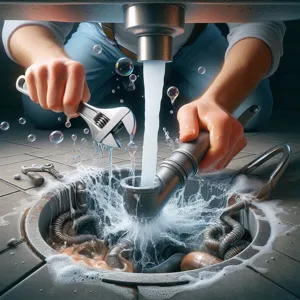
You cannot fix a drain if you do not know what is stopping the flow. Most blockages originate from a few predictable sources. Hair acts like a net, catching soap scum and debris in bathroom drains. In the kitchen, cooking fats and oils are the primary enemies. When these liquids cool inside the pipe, they solidify into a waxy substance that traps food particles.
Common warning signs:
- Slow drainage: Often indicates a partial clog or pipe narrowing.
- Gurgling sounds: Suggest trapped air or a venting issue.
- Foul odors: Usually point to organic matter rotting in the trap.
The Manual Approach: Mechanical Clearing

Before buying chemical cleaners, try physical methods. They are safer for your pipes and often more effective for localized blockages. A plunger is the most reliable tool in your arsenal. The key is creating an airtight seal. If you are working on a sink with an overflow hole, block it with a damp rag before plunging; otherwise, the air will just escape through the hole instead of pushing against the clog.
If plunging fails, move to a drain snake. Think of this as a flexible corkscrew. Insert it into the pipe, rotate it to hook onto hair or gunk, and pull the obstruction out. Do not shove the snake aggressively, as you risk pushing the clog deeper or scratching the internal walls of PVC pipes.
The Natural De-greasing Technique
For kitchen sinks plagued by grease, heat is your best ally. Start by pouring a kettle of near-boiling water down the drain to soften the solidified fats. Follow this with a mixture of half a cup of baking soda and half a cup of white vinegar. Cover the drain with a stopper for 15 minutes. The resulting chemical reaction creates carbon dioxide bubbles that lift debris from the pipe walls. Finish with another flush of boiling water to clear the system completely.
When to Open the P-Trap
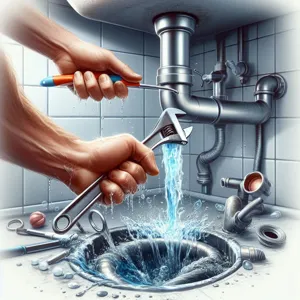
If the clog persists, the blockage is likely in the P-trap—the U-shaped pipe under your sink. This section is designed to hold a small amount of water to block sewer gases from entering your home. It is also the most common collection point for solid items.
How to clear it safely:
- Place a bucket directly under the P-trap to catch the residual water.
- Unscrew the slip nuts by hand or with channel-lock pliers.
- Remove the trap and inspect it. You will usually find the culprit inside.
- Clean the pipe interior with an old bottle brush before reattaching.
Avoid the ‘Chemical Trap’
Commercial drain cleaners are aggressive. They rely on corrosive chemicals like sodium hydroxide or sulfuric acid. While they provide quick results, they can soften PVC joints and corrode metal pipes over time. If a clog does not respond to these products, you are now left with a pipe filled with hazardous, caustic liquid. This makes the job dangerous for you and any plumber you might eventually have to call.
Proactive Maintenance Routines
You can avoid 90% of clogs by changing a few daily habits. Never pour grease down the drain; let it cool in a container and dispose of it in the trash. Install a fine-mesh screen in every shower and sink to catch hair and food scraps. Once a month, perform a ‘maintenance flush’ using the vinegar and baking soda method mentioned earlier to prevent buildup before it becomes a structural problem.
When to Call a Professional
Do not be a hero if the problem is systemic. If you notice water backing up in multiple fixtures at once, the issue is likely in your main sewer line, not your sink. Professional plumbers use video inspection cameras to pinpoint blockages caused by tree roots or structural collapses. Attempting to clear these with household tools is ineffective and can cause expensive damage to your home’s infrastructure.
Content updated on 2026-08-29