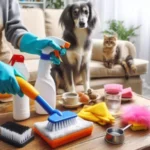
Ammonia has a sharp, pungent, eye-watering smell that most people recognize from strong glass cleaners or a litter box that has not been changed. Even a small amount is noticeable: the nose picks it up at low concentrations, well before it reaches harmful levels, which makes the smell a useful warning.
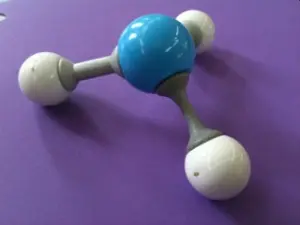
How people describe it
- Like old urine or a dirty cat litter box (urine breaks down into ammonia).
- Like window cleaner or some household cleaners that list ammonia as an ingredient.
- Like hair dye or permanent-wave solutions.
- Sharp and “stinging” rather than rotten. If what you smell is rotten eggs, that is sulfur, which can point to a gas leak or sewer gas, a different issue entirely.
Common sources of an ammonia smell at home
- Pet urine: on carpets, under furniture, in litter boxes. Even after the stain is cleaned, bacteria can keep producing the smell. Enzyme cleaners break down the source.
- Cleaning products: using an ammonia-based cleaner in a small, poorly ventilated room.
- Diaper pails and laundry left damp too long.
- Fertilizer stored in a garage or shed.
- Rotting food or compost, especially protein-rich waste.
- Some older or RV absorption refrigerators use ammonia as a refrigerant. A strong ammonia smell near one of these fridges, sometimes with a yellow residue, signals a leak: turn it off, ventilate and get it serviced.
Is it dangerous?
At the low level of a litter box or a cleaner, ammonia irritates the eyes, nose and throat. High concentrations can cause serious breathing problems. Leave the area and get fresh air if the smell is strong enough to make your eyes water or you cough. In a medical emergency, call 911; for questions about exposure, US Poison Control is at 1-800-222-1222.
Never mix ammonia with bleach
Mixing ammonia (or urine) with bleach creates toxic chloramine gases. This is one of the most common household chemical accidents. Never combine cleaning products, and rinse surfaces between products.
An ammonia smell on your body
Sweat after intense exercise or breath that smells of ammonia can be linked to diet, dehydration or, more rarely, medical conditions such as kidney problems. If it persists without an obvious reason, talk to a doctor.
Getting rid of the smell
Find and remove the source, ventilate, and wash fabrics. General air quality is covered in how to improve your home’s ventilation, and safer cleaning routines in the best ways to clean and maintain your home.