Understanding the Different Types of Golf Hats

Golf is a game where small physical discomforts lead to major scorecard mistakes. Your choice of headwear is not just about aesthetics. A high-quality golf hat serves as a technical tool that manages glare, regulates your core temperature, and keeps sweat out of your eyes during a critical putt. Knowing the specific types of hats and the materials behind them will improve your focus over 18 holes.
Structured Performance Caps: The Tour Standard
Structured caps are the most common choice on professional tours. They feature a firm front panel that maintains a crisp shape, even in high humidity. Brands like Titleist and TaylorMade dominate this category with proprietary fabrics such as their signature performance poly-blends.
- Why they work: The rigid structure ensures the hat remains consistent, preventing it from drooping over your eyes during a downswing.
- Technical advice: Look for hats with a pre-curved visor. This removes the need for manual shaping and keeps your peripheral vision clear.
- Pro Tip: If you are between sizes, opt for an adjustable strap model using a magnetic or Velcro-free buckle to avoid hair snagging.
Performance Visors: Maximum Cooling
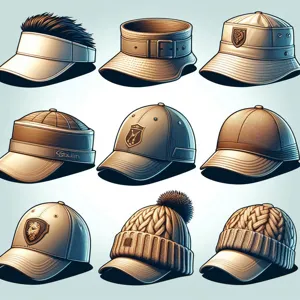
Visors are designed for maximum airflow. By leaving the crown of the head open, you allow heat to escape naturally. This is essential if you play in regions where temperatures exceed 30 degrees Celsius regularly.
- Who needs this: Players who frequently overheat or those with thick hair who find traditional hats too restrictive.
- Brands to check: Callaway and Ping offer excellent lightweight options with reinforced moisture-wicking bands.
- Field Experience: Visors can occasionally be pushed upward by a high backswing. Test yours at the driving range before taking it onto the course.
Bucket Hats: Ultimate UV Protection
The bucket hat has shifted from a casual accessory to a performance necessity. The 360-degree brim provides shade for your neck and ears, preventing heat exhaustion and sun damage.
- Technical edge: Many modern bucket hats from brands like FootJoy now incorporate UPF 50+ fabrics. Think of UPF 50+ as a portable shade structure for your skin that blocks 98 percent of harmful UV rays.
- Usage Note: Avoid cotton buckets. They become water-logged with sweat and lose their shape. Always select synthetic blends with laser-cut ventilation ports.
Trucker and Snapback Caps: Modern Ventilation
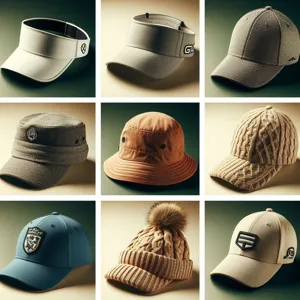
Trucker hats feature a mesh back panel that facilitates extreme airflow. While they carry a more casual aesthetic, they are highly functional for humid summer afternoons.
- The Anatomy: The mesh creates a chimney effect, pulling heat away from your scalp.
- The Trade-off: Because of the plastic snapback adjuster, these hats are less durable than fitted hats. The plastic can become brittle after prolonged exposure to salt and sun.
Choosing by Material Technology
The fabric technology in your hat dictates your comfort level. Avoid cotton at all costs; it acts like a sponge, holding moisture against your head and adding unnecessary weight.
- Polyester-Spandex: These fabrics offer mechanical stretch. They move with your head during a rotation, preventing that annoying feeling of a hat shifting mid-swing.
- Hydrophobic Coatings: Look for labels mentioning DWR (Durable Water Repellent) finishes. This technology makes light rain bead off the surface rather than soaking into the fabric.
- Antimicrobial Liners: Brands like Under Armour often integrate silver-ion technology in their sweatbands. This inhibits the growth of odor-causing bacteria, keeping your gear fresh longer.
Common Mistakes to Avoid

After years of evaluating gear, I have noticed three recurring mistakes that ruin rounds. Avoiding these will save you from unnecessary distractions.
- The Salt-Ring Trap: Dried sweat leaves white salt rings that permanently stain fabric. Wash your hat immediately after a hot round using a gentle, cold-water cycle and a mesh laundry bag.
- Improper Storage: Throwing your hat in the bottom of your golf bag crushes the front panel. Keep it in a dedicated headwear case or store it on a round object to retain its structure.
- Ignoring Fit Depth: A hat that sits too low will touch the frames of your sunglasses, causing them to slide down your nose. Always check for clearance between your hat brim and your eyewear.
Making the Final Decision
Your hat should be as specialized as your club selection. If you are playing in a high-wind environment, the low-profile fit of a performance cap is mandatory to keep your gear from blowing away. If your priority is skin protection, the wide brim of a performance bucket hat remains the gold standard. Invest in specialized headwear based on your local climate, and you will eliminate one of the most common physical distractions in golf.
Content updated on 2026-09-16