Strategic Leftover Management: Stop Wasting Your Grocery Budget
Most home cooks treat leftovers as an inevitable chore. They store them in random plastic tubs, forget them for a week, and eventually throw them away. This is essentially dumping cash directly into the trash bin. To stop this cycle, you must treat leftovers as pre-prepped ingredients rather than discarded scraps.
The Professional Storage Protocol
The quality of your second meal is decided the moment you store the food. If you treat your fridge like a graveyard, your food will taste like it. Follow these specific rules to maintain peak ingredient quality.
- Master the cooling curve: Bacteria grow rapidly between 40°F and 140°F. Divide hot food into shallow, 2-inch deep containers so they reach room temperature within 30 minutes. Large, deep pots trap heat in the center, causing the food to sour before it even reaches the fridge.
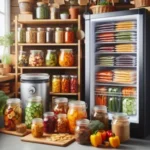
- Switch to glass containers: Plastic is porous and traps odors from your previous meals. Glass is inert and transparent. If you can see the contents, you are 50% more likely to eat them before they turn.
- Adopt the label system: Use a dry-erase marker directly on the glass lid. If you are past the 3-day mark, move the container to the freezer immediately. Never wait until the fourth day to decide if it is still edible.
The Protein Pivot: Transforming Textures
The main reason leftovers taste bad is the texture change that occurs during cooling. Reheating a steak in the microwave turns it into rubber. Instead, treat your leftover protein as a raw ingredient for a new dish.
- The Shred and Bind Method: Dry roast chicken or pork should never be served as-is. Shred the meat with two forks and mix it with a high-moisture binder like Greek yogurt, mayonnaise, or a spicy BBQ sauce. This creates an immediate chicken salad or taco filling that feels fresh.
- The High-Heat Sear: If you have leftover fish or beef, avoid the microwave entirely. Toss it into a screaming hot pan with a teaspoon of oil for 60 seconds. This creates a fresh Maillard reaction—that crispy brown crust—which masks the fact that the food is a day old.
- The Soup Transformation: If the protein is too tough to chew, chop it into half-inch cubes and drop it into a boiling vegetable broth. The broth rehydrates the protein fibers while extracting any remaining flavor into your soup base.
Reviving Wilting Vegetables
Vegetables lose their crispness when stored, but they still retain their nutritional density. Do not try to sauté them a second time; you will end up with a mushy mess.
- The Fritter Technique: This is your best defense against sad broccoli or zucchini. Chop the vegetables finely, mix with one egg and a quarter cup of flour or breadcrumbs, and fry them into thin patties. The egg acts as a structural scaffold, turning limp produce into a crispy side dish.
- Puree for Density: If your roasted vegetables look unappealing, blend them with broth, garlic, and a splash of cream. You have just created a professional-grade velouté soup base. This process takes less than five minutes and completely hides the texture issues of stored roasted veggies.
Fixing Stale Grains and Pasta
Starch loses moisture rapidly in the fridge, resulting in dry, clumped rice or rubbery pasta. You need to reintroduce hydration to reset the structure.
- The Pasta Frittata: When pasta cools, it sticks together. Instead of fighting it, embrace it. Whisk three eggs, grated parmesan, and your pasta in a bowl. Pour it into a non-stick pan and cook until set. The eggs bind the pasta into a cohesive, delicious omelet that serves as a perfect lunch.
- Steam-Rehydrating Rice: Never microwave rice uncovered. Place a tablespoon of water into the container, cover it with a damp paper towel, and heat for 60 seconds. The water turns into steam trapped under the towel, fluffing the grains back to their original state.
The Secret Sauce: How to Wake Up Stale Flavors
Leftover food often tastes flat because aromatics like garlic and onions lose their potency overnight. You must introduce new, bright flavors to fool your palate.
- The Acid Hack: If a dish tastes heavy or dull, it lacks acidity. Add a squeeze of lemon juice or a dash of apple cider vinegar right before serving. This brightness cuts through the heavy, oxidized flavors of reheated fats.
- The Fresh Herb Finish: Never reheat herbs. Add fresh cilantro, parsley, or basil only at the very end. The scent of fresh herbs creates the illusion of a freshly prepared meal, masking the “reheated” profile of the base dish.
Common Mistakes to Avoid
Even with great ingredients, poor execution ruins the final result. Avoid these common traps:
- Stop Boiling Your Food: Microwaves are for heating, not cooking. Use 50% power and stir every 45 seconds to ensure even distribution. If the food is steaming, you have likely already destroyed the texture.
- Don’t Combine Hot and Cold: If you are adding leftovers to a fresh dish, heat them separately. Mixing them early turns the whole batch into a mushy, lukewarm disaster.
- Freeze Early: Most people wait until the last day to decide if they will eat a leftover. Make the decision on day two. If it isn’t in your meal plan for the next 24 hours, move it to the freezer.
Content updated on 2026-10-10