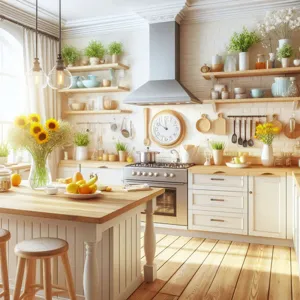
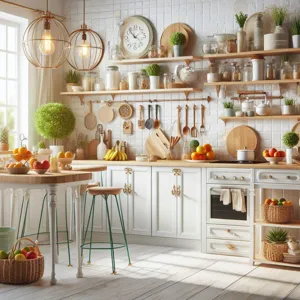
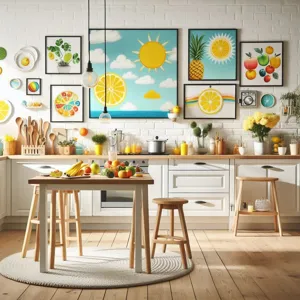
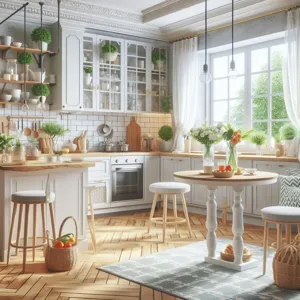
Natural light is the most cost-effective way to brighten a kitchen. Studies show that increasing natural light exposure can improve mood and productivity by up to 20% in residential spaces. If your windows are small, think of them as the lungs of the room; you need to clear the airways.
Eliminate obstructions: Replace heavy drapery with sheer linen shades. This simple swap can increase internal light levels by 15-20% by diffusing rays instead of blocking them.
The mirror effect: Position a large, framed mirror opposite your primary light source. This acts like a billiards ball bouncing off a cushion, redirecting sunlight into darker corners of your kitchen.
Window clarity: Clean your windows inside and out every three months. A thin layer of grime can reduce light transmission by up to 10% without you even noticing the buildup.
The Science of Reflective Materials
Credit : whatcanu.com
Dark, matte finishes act like a black hole for light, absorbing almost 90% of the illumination that hits them. To create a cheerful atmosphere, you need high-LRV (Light Reflectance Value) materials. Aim for an LRV of 60 or higher for your cabinetry and countertops.
Countertop selection: Choose white quartz or light-veined marble. Research indicates that polished stone surfaces increase ambient brightness by reflecting artificial light back into the workspace.
Cabinetry finishes: Opt for high-gloss or semi-gloss lacquer finishes. Glossy surfaces act as micro-mirrors, which can make a small 100-square-foot kitchen feel 20% larger and significantly brighter.
Backsplash impact: Use glass or subway tiles with a reflective glaze. Installing a glass backsplash can bounce light directly onto your work surface, reducing the need for heavy task lighting during the day.
Implementing a Layered Lighting Strategy
Credit : whatcanu.com
Do not rely on a single central fixture. Professional kitchen designers use the three-layer method to ensure zero dark spots. Think of this like a car dashboard; you need a main display, warning lights, and subtle ambient buttons to see everything clearly.
Ambient Layer: Use high-output LED recessed lights with a 3000K to 3500K color temperature. This mimics natural morning light and prevents that “yellow/tired” aesthetic.
Task Layer: Install under-cabinet LED strips. A study by the Illuminating Engineering Society suggests that proper task lighting can reduce food preparation errors by 25% by eliminating shadows cast by your body.
Accent Layer: Use toe-kick lighting near the floor. This provides a soft, floating effect that makes the kitchen feel airy rather than grounded and heavy.
The 80/20 Rule for Color Palettes
Credit : whatcanu.com
A cheerful kitchen does not mean painting every wall neon yellow. Use the 80/20 rule: keep 80% of your surfaces (walls, floors, large cabinets) in neutral, light tones like cream, soft white, or pale grey. Reserve 20% for “cheerful accents.”
Strategic pops of color: Use vibrant colors like buttercup yellow or energized teal for bar stools, decorative bowls, or small appliances. These act as focal points that draw the eye without overwhelming the visual space.
Textile rotation: Changing your kitchen towels, rugs, and curtains every season is a $50 investment that yields high psychological returns. Lighter, brighter fabrics in spring keep the room feeling fresh and prevent the stagnation often found in kitchens with fixed, permanent colors.
Real-World Troubleshooting
Many homeowners fail to account for how color temperatures change throughout the day. An error I see frequently is choosing paint colors inside a hardware store under fluorescent lights. These lights are often cold and blue, which will make a warm yellow paint look sickly or greenish once installed in your home.
The Poster Test: Always paint a 2×2 foot board with your intended color and tape it to your kitchen wall. View it at 9:00 AM, 1:00 PM, and 7:00 PM. If the color looks muddy at any of these points, discard it.
The Cleanliness Factor: Bright kitchens demand maintenance. A thin layer of dust on a light-colored surface can make it appear dull and dingy. A quick 5-minute wipe-down of countertops and cabinets with a microfiber cloth ensures your surfaces continue to reflect light at their maximum potential.