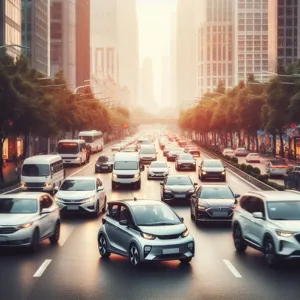
Urban driving demands a vehicle that behaves like a scalpel, not a sledgehammer. When navigating dense grids, you need to prioritize physical dimensions, powertrain efficiency, and visibility over raw power. If your car is larger than 175 inches in length, you are statistically losing 15 minutes of your week just hunting for parking spots that accommodate your frame.
The Critical Metrics of Urban Mobility
Before you commit to a purchase, ignore the marketing brochures. Focus your decision-making on three technical pillars that define urban usability:
Turning Radius: Seek a vehicle with a curb-to-curb turning circle of 35 feet or less. Think of this like a runner changing direction; the shorter the turn, the faster you clear the intersection without needing a three-point maneuver.
Braking Performance (Regenerative): In city traffic, you brake constantly. Hybrids and EVs use regenerative braking, which captures kinetic energy to recharge the battery. This reduces brake pad wear by approximately 30% compared to traditional internal combustion engines.
Approach and Departure Angles: City streets often feature sharp inclines into parking garages or aggressive speed bumps. A front overhang of less than 30 inches ensures you do not scrape your bumper on uneven pavement.
Hatchbacks vs. Sedans: The Geometry of Space
Credit : whatcanu.com
Hatchbacks remain superior for urban environments for a simple structural reason: the rear vertical wall. In a sedan, the trunk extends beyond the rear wheels, creating a blind spot that makes parallel parking a guessing game.
With a hatchback, the rear bumper is effectively the end of the car. If you can see the end of the parking space in your rearview mirror, you are at the limit of your vehicle. This spatial awareness can shave seconds off every parking attempt, preventing traffic build-up behind you.
Powertrain Analysis: EV vs. Hybrid for City Cycles
Your choice should depend strictly on your daily commute distance and access to charging. If your city driving involves frequent stop-and-go patterns, you need to understand the ‘duty cycle’ of your engine.
Pure Electric Vehicles (EVs): Ideal if you cover under 40 miles daily. EVs offer the best efficiency at low speeds because they have no ‘idle’ fuel consumption. Unlike a gas car, an EV consumes zero energy while stationary at a red light.
Full Hybrids (HEVs): The best choice for those without home charging. These vehicles use a small battery to power the car at low speeds, typically up to 20-25 mph. This is where gas engines are least efficient, so the hybrid bridge is vital for keeping your fuel economy above 45 MPG in heavy congestion.
Field Insights: What to Check During Your Test Drive
Credit : whatcanu.com
Never sign a purchase contract without performing these three field tests specifically designed for urban constraints:
The Pillar Test: Sit in the driver’s seat and check the ‘A-pillar’ (the frame between your windshield and side window). If it is thick, it creates a massive blind spot where a cyclist can hide. Ensure you have clear diagonal visibility.
The Low-Speed Throttle Test: A car that is ‘jerky’ at 5 mph is a nightmare in traffic. The throttle should be linear, allowing you to crawl forward smoothly without lurching.
The Cargo Utility Check: Do not buy for your ‘once-a-year’ IKEA trip. Buy for your daily grocery run. If the trunk height is too high, you will waste energy lifting heavy bags over a high load lip every single day.
Common Pitfalls: Why Bigger Is Not Better
The most expensive mistake is the ‘versatility trap.’ Many buyers purchase a mid-sized SUV because they fear needing extra space. You end up paying a 20% premium in fuel costs and facing constant parking anxiety for a capability you use 2% of the time.
Credit : whatcanu.com
If you genuinely need space occasionally, you are better off purchasing a compact vehicle and utilizing a car-sharing app or rental service for those rare, large-load days. You will save thousands in annual fuel, insurance, and maintenance costs.
Final Recommendations for Urban Efficiency
For a balance of reliability, size, and urban-specific tech, prioritize these categories:
Compact Hybrids: Models like the Toyota Corolla Hybrid or Hyundai Ioniq are engineered specifically for the regenerative cycles of urban traffic.
Subcompact Crossovers: If you prefer a higher seating position, look at the Mazda CX-30. It provides the visibility of a taller vehicle without the excessive footprint of a traditional SUV.
Micro-Cars: If you live in a core city center, nothing beats the Mini Cooper or Fiat 500 for agility. They can utilize ‘micro-spots’ that other drivers simply have to bypass.
Your urban car should be an extension of your agility. By focusing on physical size, visibility, and the specific efficiency of hybrid or electric powertrains, you transform the act of city driving from a daily frustration into a managed, efficient process.