
Soccer – What is the impact of globalization on soccer?
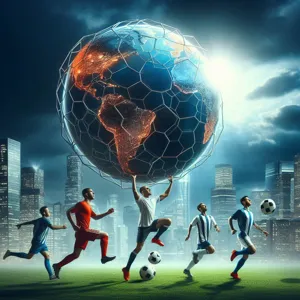
Globalization has transformed soccer from a regional pastime into a hyper-connected, multi-billion dollar industry. This shift is not just about broadcasting rights; it changes how clubs recruit talent, how they generate revenue, and how they interact with fans. If you want to understand modern soccer, you must look beyond the pitch and into the boardrooms and data centers.
The Economic Engine: Clubs as Global Corporations
Today, elite soccer clubs operate like multinational tech companies rather than local sports teams. Consider the English Premier League, which generates over $3.5 billion in annual broadcasting rights. This massive influx of capital forces clubs to prioritize global reach over local history.

Take the 2023 pre-season tours as a case study. Manchester United and Real Madrid did not travel to the United States and Asia for sport; they went to capture market share. These tours are calculated efforts to secure local sponsorship deals and sell merchandise to a global fan base. This strategy creates a significant wealth gap, where a handful of clubs can outspend the rest of the league, effectively turning the competition into a closed loop of the financial elite.
The Risk of Homogenization
- Standardized Tactics: Most top-tier clubs now adopt a high-pressing, possession-based style to satisfy global television demands for ‘high-octane’ action.
- Metric-Driven Recruitment: Clubs use tools like Wyscout to track players globally, often ignoring the unique cultural nuances that define a player’s development.
- Loss of Identity: When performance is measured solely by KPIs like xG (Expected Goals), the unpredictable, raw nature of regional soccer styles begins to disappear.
Think of this like a global fast-food chain. While the consistency is impressive, you lose the unique local ingredients that made the original dish special.
The Data-Driven Pipeline: Is Scouting Too Efficient?
Data analytics have replaced traditional scouts who once relied on intuition and local relationships. Clubs now treat player recruitment like a venture capital firm investing in high-growth startups. Over 1,500 players under the age of 18 are transferred internationally every year.

However, this comes with a high human cost. Many young athletes move abroad without a support system, leading to a high failure rate. A clear example is the trend of South American academies being emptied of talent before the players reach the age of 19. While the top 1% succeed, the remaining 99% often find themselves adrift in foreign countries. This is an inefficient model for human development, even if it is efficient for balance sheets.
The Fan Experience: Who is the Customer?
Globalization has physically distanced the fan from the club. A supporter in Tokyo may pay more for a digital subscription than a local fan pays for a season ticket. Consequently, broadcasters now schedule matches to optimize for international time zones, often ignoring the convenience of the local supporter who stands in the rain at the stadium.
Error to avoid: Many mid-sized clubs try to mimic the marketing strategies of giants like Manchester City or PSG. This is a fatal mistake. You cannot compete with global conglomerates on their terms. If you operate a smaller club, stop trying to become a global brand and focus on being the vital center of your specific city.
The Future: A Balanced Consumption Model
Globalization has professionalized the sport and increased the general quality of play, but it has also stripped away the community fabric. To keep the sport healthy, fans must adopt a dual-track approach to consumption.
- Support the Global Spectacle: Continue to enjoy high-level Champions League matches, as they represent the pinnacle of technical innovation.
- Invest Locally: Attend games at your local stadium. This revenue is the only thing keeping the grassroots ecosystem alive and prevents the sport from becoming a sterile product.
- Value Diversity: Seek out leagues and teams that prioritize distinct styles of play, resisting the pull of a single, standardized tactical norm.
Return of experience: I have seen many local clubs thrive by ignoring global trends and focusing exclusively on community engagement and youth development. These clubs remain the bedrock of the sport. As a fan, your money and attention are your most powerful tools. Spend them where they impact the people who actually play the game in your neighborhood.
Content updated on 2026-09-17