
Is the Death of the Movie Theater Imminent?
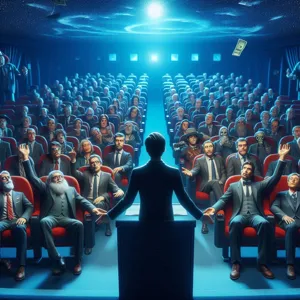
The narrative suggesting the imminent death of movie theaters is a persistent myth, yet one that demands a sober look at the data. While the convenience of home streaming has fundamentally altered audience habits, the cinema industry is not facing extinction. It is undergoing a necessary, albeit painful, structural pivot. To understand where the industry is heading, you must look beyond the doom-and-gloom headlines and examine the specific economic levers at play.
The Economic Shift: Box Office vs. Home Consumption
The data tells a clear story. In 2023, the global box office revenue saw a significant recovery, reaching approximately 33.9 billion USD. While this remains below the pre-pandemic peak of 42.3 billion USD in 2019, it proves that audiences still value the out-of-home experience for specific types of content. The theater is becoming a premium destination rather than a default utility.
- The Blockbuster Anchor: High-budget spectacles like “Top Gun: Maverick” or “Oppenheimer” rely on the communal, large-format experience to justify their massive production costs.
- The Mid-Budget Vacuum: Traditional dramas and mid-budget comedies are migrating to streaming platforms because they no longer command the ticket sales required to cover marketing and distribution costs.
- Operational Efficiency: Theaters with high overheads are struggling, while those focusing on niche programming or premium seating (the “luxury cinema” model) are seeing better margins per customer.
The Real Challenge: The Windowing Strategy
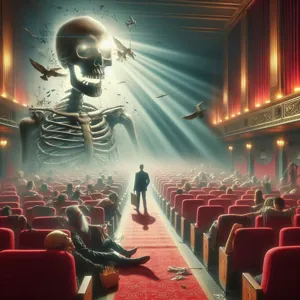
Think of theatrical release windows like a tiered release for a new piece of hardware. In the past, films stayed in theaters for 90 days exclusively. Today, that window has shrunk to 17 to 45 days. This is a critical error for theater operators. When you train a consumer to wait four weeks for a release on a streaming platform they already pay for, you erode the perceived value of the theatrical ticket.
Lesson from the field: Theaters that succeed are those that act as event spaces. If you are just showing a standard film, you are competing with Netflix. If you are showing an early preview, hosting a filmmaker Q&A, or providing a luxury dining service, you are selling an experience. An experience is a physical product that cannot be downloaded or streamed.
Why Home Tech Isn’t Replacing the Cinema
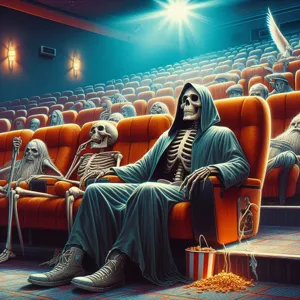
There is a common misconception that because 4K televisions have become affordable, the home theater has rendered the cinema obsolete. This misses the psychology of the audience. The home is for comfort; the theater is for focus. At home, you are constantly battling distractions: your phone, the laundry, or the pause button. In a cinema, you are forced into an immersive state.
Common mistake to avoid: Comparing home audio setups to cinema acoustics. No matter how expensive your living room sound system is, it cannot replicate the acoustic engineering of a theater designed to move air and vibrate seats in a room the size of a cavern. That physical impact is a key part of the cinematic thrill.
The Future: A Two-Tiered Market
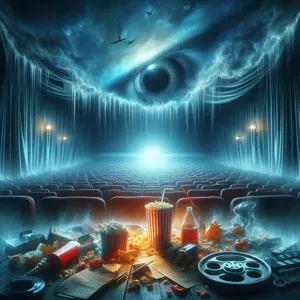
The theater industry is likely splitting into two distinct models. The first is the massive, premium-format hub (IMAX, Dolby Cinema) that provides an experience impossible to replicate at home. The second is the independent or art-house theater that survives through community integration, local focus, and curated programming.
To survive, operators must focus on three actionable pillars:
- Frictionless Ticketing: Remove all barriers to entry. The process from buying a ticket to walking into the seat must be as smooth as a streaming interface.
- Hyper-Localism: Independent theaters must connect with their immediate community. If your programming reflects the local culture or hosts specialized events, you build a loyal base that a global streamer cannot touch.
- Dynamic Pricing: Just like airlines or hotels, theaters must stop using static pricing. Offering incentives for off-peak times while capturing maximum value during high-demand weekends is essential for sustainability.
Final Verdict: Adaptation or Obsolescence?
The death of the movie theater is not imminent, but the era of the “default” movie theater is over. If a cinema provides nothing more than a screen and a chair, it will fail. However, if it provides a curated environment that demands attention and offers communal value, it will continue to thrive. The industry isn’t dying; it’s refining its value proposition. You, as a consumer, are the ultimate arbiter—by choosing where you spend your time and money, you are directly shaping the next decade of film distribution.
Content updated on 2026-08-28