Recognizing the Early Warning Signs of Gaming Burnout

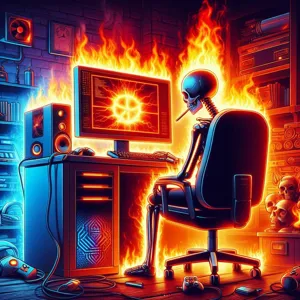
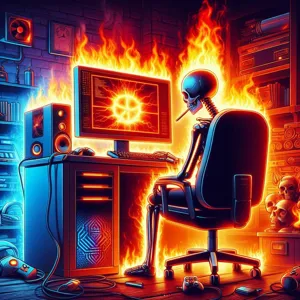
Gaming burnout is not just being tired after a long session. It is a psychological state where your favorite hobby transforms into a source of stress or indifference. You might notice that booting up your PC feels like a chore rather than an escape. If you find yourself scrolling through your Steam library for hours without actually launching a game, you are likely hitting a wall.
Watch for physical and emotional red flags. Persistent eye strain, headaches, and disrupted sleep patterns are common physical indicators. Emotionally, look for increased irritability during competitive matches or a total lack of interest in social gaming sessions. If you stop caring about your K/D ratio or your character progression, your brain is signaling that it needs a reset.
The Biology of Exhaustion

Think of your brain’s reward system like a battery. Every achievement or win releases dopamine, keeping you engaged. If you chase these rewards non-stop, your receptors become desensitized. You are effectively running your internal engine at redline, which eventually leads to system failure. This is why the ‘grind’ feels less rewarding over time.
Implement the Tactical Break Protocol
Stop playing until you are physically forced to by exhaustion. Instead, use the 90-minute cycle method. Our brains naturally work in ultradian rhythms, which last about 90 minutes before requiring a recovery period. Play for 90 minutes, then stand up. Walk away from your desk for at least 15 minutes. This is not optional; it is maintenance for your focus.
- Stretch your neck and wrists: Static posture causes tension that mimics mental stress.
- Hydrate with water: Energy drinks offer a temporary spike, but they crash your system, worsening the burnout cycle.
- Step outside: Natural light resets your circadian rhythm and breaks the immersion trap.
Diversification: The Antidote to Monotony
Burnout often stems from playing the same genre repetitively. If you play competitive shooters, your brain stays in a state of high-alert, sympathetic nervous system arousal. You need to balance this with parasympathetic activities—calming tasks that lower your heart rate.
Switch to low-stakes games. If you are burned out on high-intensity FPS games, spend a week on simulation, narrative-driven exploration, or cozy strategy games. This variety prevents your gaming brain from reaching a state of chronic saturation. Treat your library like a balanced diet; you cannot survive on adrenaline alone.
Setting Realistic Performance Expectations
Modern gaming is heavily focused on competitive rankings and seasonal battle passes. This creates artificial pressure. If you feel compelled to grind because you fear missing out on a digital cosmetic or rank, you are no longer playing for fun; you are working a second job.
Actionable advice: Skip a season. Consciously decide to ignore the daily login bonuses. When you detach from the artificial pressure of ‘progression systems,’ you reclaim control over your time. Evaluate your games by how they make you feel, not by how much progress you have made against a digital checklist.
The Importance of Physical Movement
Gaming is sedentary. Prolonged sitting tightens your hip flexors and rounds your shoulders, which impacts your breathing efficiency. Poor oxygen flow to the brain contributes to mental fatigue. You must break the sedentary loop to stay sharp.
Add a non-negotiable physical activity. This does not mean running a marathon. It means 20 minutes of bodyweight exercises or a brisk walk. This clears the mental clutter and prevents the ‘brain fog’ that makes gameplay feel sluggish. Think of exercise as a performance enhancer for your gaming; it keeps your reaction times crisp and your mind resilient.
When to Take a Total Hiatus
Sometimes, the only solution is to step away entirely for a few weeks. If you find that every session leaves you feeling drained, you have reached a threshold. A total break is not a loss of progress; it is a recalibration. When you return, the mechanical rust will fall off in an hour, but your mental appetite will be fully restored. Many gamers find that they return with better focus and renewed joy after a 14-day absence from all screens.
Final Practical Takeaways for Sustainable Gaming
- Audit your library: Delete games that you play out of habit rather than genuine interest.
- Establish a hard logout time: Use an alarm to signal the end of your gaming window, regardless of your current match status.
- Prioritize Sleep: No gaming performance boost is worth the cognitive decline caused by sleep deprivation. Get 7+ hours.
- Join communities for discussion, not just competition: Talking about games often provides as much satisfaction as playing them.
- Physicality: Maintain a dedicated space for gaming that is physically separated from your bedroom, if possible, to compartmentalize your time.
Content updated on 2026-09-04